Net Gaming Phenomenon: How It Shaped Our Culture

The rise of net gaming has not only transformed the way we play but also left an indelible mark on our culture, reshaping how we connect, interact, and experience entertainment. From forging new social dynamics to influencing popular media, the net gaming phenomenon has woven itself into the fabric of modern society, leaving a lasting impact that continues to evolve. Let’s delve into how net gaming has shaped our culture and become a defining element of the digital age.
Virtual Communities and Social Bonds:
Net gaming has redefined the concept of community, 7games bet creating virtual spaces where players from across the globe gather, interact, and form meaningful connections:
- Global Friendships: Gamers forge friendships with individuals they may never meet in person, challenging geographical boundaries and fostering cross-cultural bonds.
- Online Identities: Avatars and in-game personas allow players to express themselves creatively, shaping digital identities that become an integral part of their online interactions.

Cultural Exchange and Diversity:
Net gaming serves as a melting pot of cultures, encouraging players to share experiences and traditions:
- Cultural Fusion: Players from different backgrounds collaborate, exchanging ideas, language, and perspectives through cooperative play.
- Representation Matters: Games that feature diverse characters and settings challenge stereotypes and highlight the richness of human diversity.
Influence on Popular Media:
Net gaming’s impact extends beyond its own realm, shaping other forms of entertainment and media:
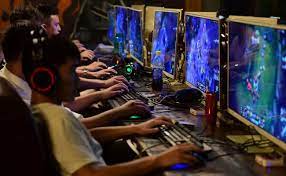
- E-Sports and Broadcasting: Competitive gaming has become a major spectator sport, with e-sports tournaments drawing large audiences and being broadcasted globally.
- Influence on Movies and TV: Video game narratives have inspired movies and TV series, blurring the lines between gaming and traditional storytelling.
Economic Impact and Entrepreneurship:
The net gaming industry’s exponential growth has created new economic opportunities and entrepreneurial ventures:
- Economic Ecosystem: E-sports, game development, streaming, and content creation have become viable career paths, contributing to a thriving industry.
- Virtual Economies: In-game purchases and transactions have given rise to virtual economies, where players buy, sell, and trade virtual goods and currencies.
Technology and Innovation:
Net gaming has been a driving force behind technological advancements and innovation:
- Hardware and Performance: Gamers’ demands for high-performance hardware have accelerated innovations in graphics, processing power, and display technology.
- Virtual Reality and Augmented Reality: The evolution of virtual and augmented reality has been influenced by the immersive experiences offered by net gaming.
Education and Skill Development:
Net gaming has demonstrated educational potential, promoting skills that extend beyond the virtual world:
- Problem-Solving: Puzzles, quests, and challenges within games foster critical thinking, strategic planning, and problem-solving abilities.
- Collaboration and Communication: Multiplayer games promote teamwork, communication, and coordination, skills applicable in various real-life contexts.
In Conclusion: A Cultural Evolution
The net gaming phenomenon has transcended being a mere pastime to become a cultural force that shapes the way we communicate, interact, and entertain ourselves. From connecting global communities to inspiring technological advancements, net gaming has left an indelible imprint on our culture. As technology continues to evolve and gaming experiences become increasingly immersive, the cultural impact of net gaming will undoubtedly continue to shape our society in ways that redefine how we experience entertainment, engage with others, and explore the boundaries of the digital frontier.