
With the rise of technology and the increasing role of the internet in our daily lives, email has become one of the primary modes of communication for individuals and businesses alike. However, along with its convenience and efficiency, email also poses a significant risk when it comes to cybersecurity. Across the globe, countless individuals fall victim to email scams and phishing attacks that can lead to financial and personal loss. Therefore, it has become more crucial than ever to take preventive measures against these threats and ensure the safety and security of our email accounts.
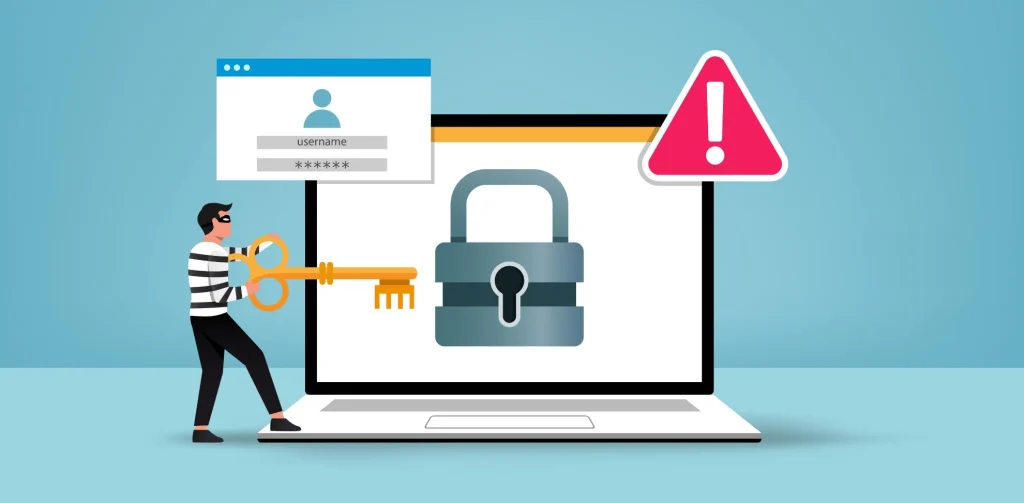
In this article, we will explore various strategies and best practices that can help individuals and organizations protect themselves from email-related cyber threats. From recognizing red flags in suspicious emails to implementing robust security measures, we will delve into the different aspects of email prevention. By understanding the methods employed by cybercriminals and staying updated with the latest security measures, you can mitigate the risks associated with email scams and protect yourself from falling prey to them.
Recognizing Red Flags in Suspicious Emails
One of the first steps in protecting yourself from email scams is to be able to recognize red flags in suspicious emails. Cybercriminals often use various tactics to make their emails appear legitimate, such as using company logos, personalizing the email with your name, or including a sense of urgency. However, there are certain signs that can help you identify a potential scam. These include spelling and grammatical errors, generic greetings like “Dear Customer” instead of your name, requests for personal or financial information, and suspicious email addresses or domains.
Another useful tool in identifying the legitimacy of an email is the email risk score. By utilizing advanced algorithms and data analysis, the email risk score evaluates various factors of an email to determine its level of risk. It takes into account factors such as the sender’s IP address, domain reputation, and email content to provide a comprehensive assessment of the email’s trustworthiness. By incorporating the email risk score into your email security practices, you can add an extra layer of protection against phishing attacks and fraudulent emails.
In addition to recognizing red flags in suspicious emails, implementing robust security measures is essential to prevent email-related cyber threats. This includes regularly updating and patching your email software, using strong and unique passwords, enabling two-factor authentication, and encrypting sensitive information. It is also important to educate yourself and your employees about email scams and phishing techniques by attending cybersecurity awareness training programs. By staying vigilant and proactive in your approach to email security, you can significantly reduce the risk of falling victim to these attacks. Remember, prevention is always better than dealing with the aftermath of a cyber attack.